
Nonnative species do not belong in [any state] and definitely shouldn’t be encouraged — that is undoubtedly the policy of state wildlife agencies. Yet, nonnative birds, fish and mammals are significant sources of revenue in many states.
Native to China, ring-necked pheasants were introduced into the U.S. in the late 1800s. Despite their “nonnative” status, pheasants are very popular game birds; the bird inspired the creation of Pheasants Forever ($100 million+ annual budget) which works to increase wild pheasant populations. And despite potential negative impacts, including competition with other birds for resources, and potential to spread disease, many states breed and release thousands of pheasants prior to hunting season (most of the pen-raised pheasants will not survive).
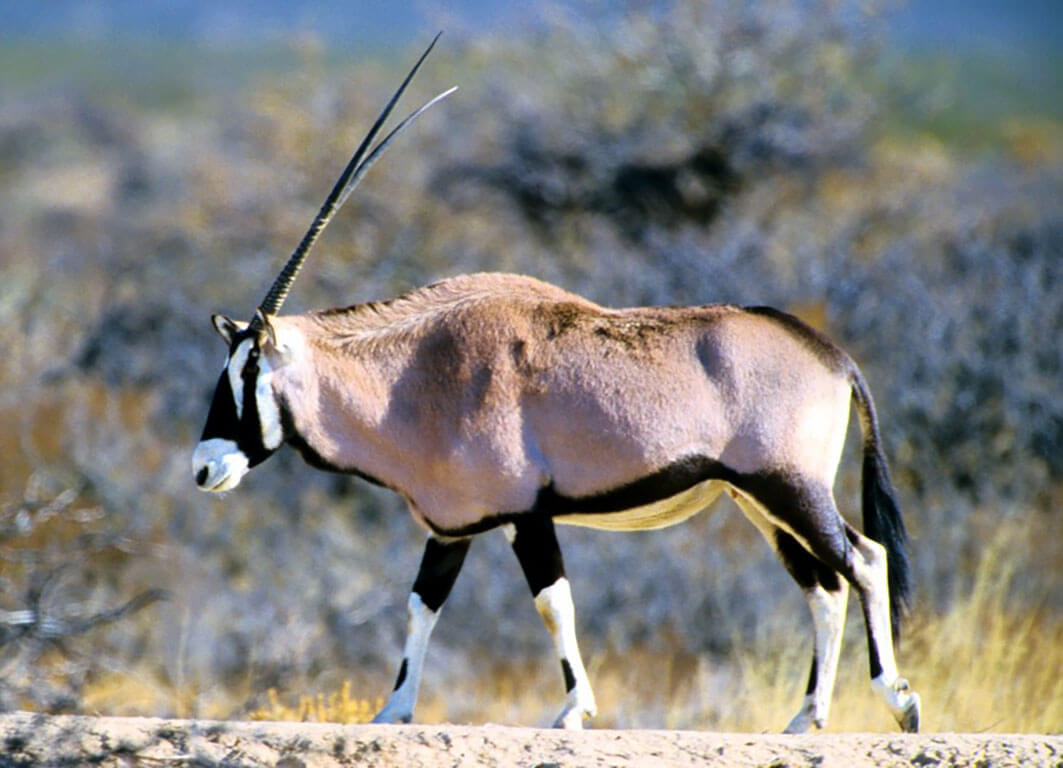
The New Mexico Department of Game and Fish maintains populations of “exotic species” including Oryx, Ibex, and Barbary sheep to provide unique hunting opportunities. Wild pigs, despite sharing their “exotic” origin, are categorized as “unprotected species” in New Mexico.